


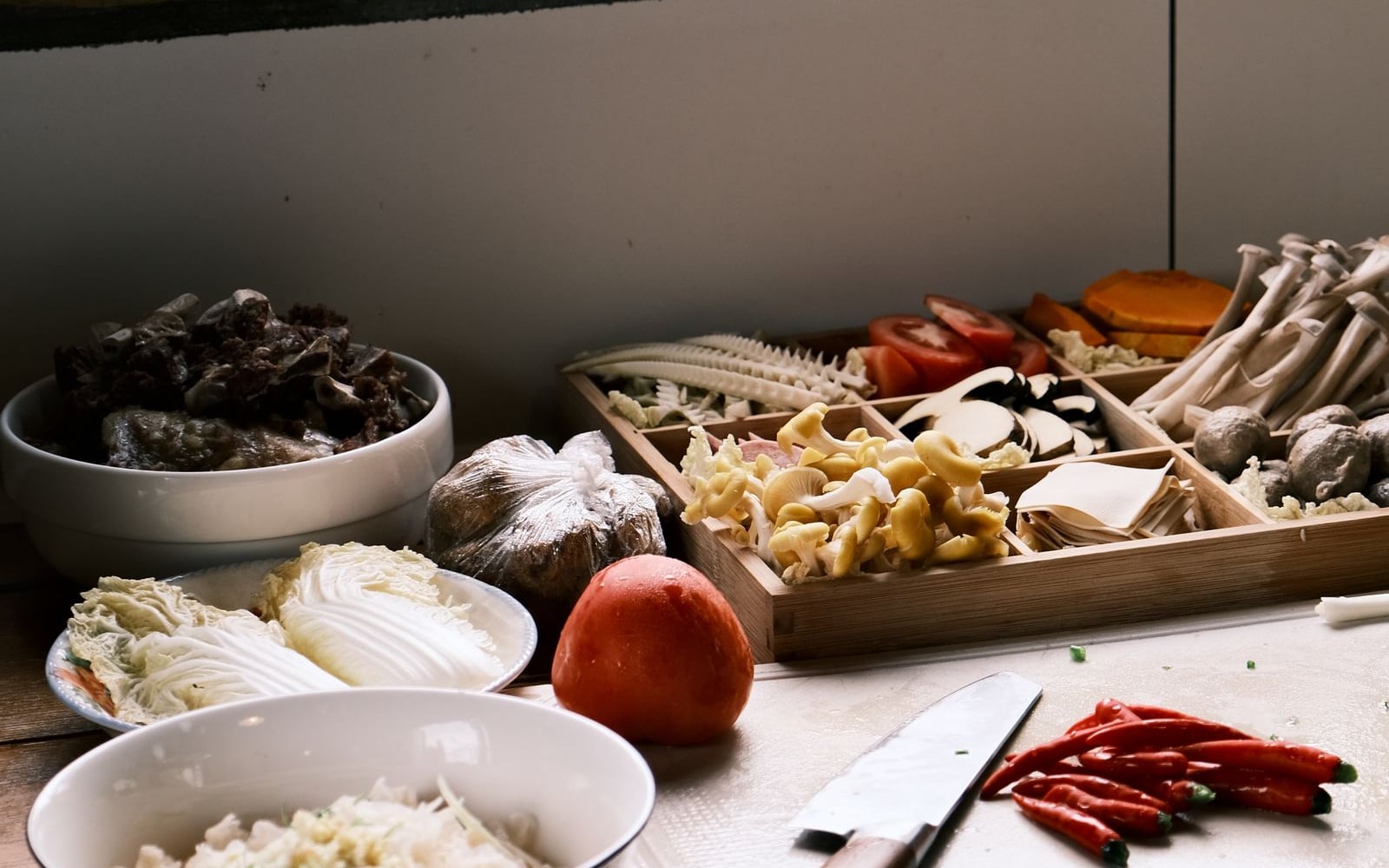
Why I Stopped Chasing Superfoods and Started Trusting My Kitchen
There was a time when it felt as though every few months a new food was being introduced as the answer to better health. One day it was quinoa, then chia seeds, then kale, then blueberries, and before we had even figured out how to include one ingredient in our meals, another one had already taken its place. The wellness industry has a way of making us feel that good health is always waiting in the next product we haven't bought yet.
I have often smiled at how easily we begin doubting the food that has been part of our homes for years. A bowl of dal suddenly seems too ordinary because it doesn't have the word superfood attached to it. Traditional seeds that our grandmothers happily used in their kitchens don't sound quite as exciting until they are packaged differently and given a modern label. Somewhere along the way, we started believing that the more exotic an ingredient sounds, the healthier it must be.
The more I learnt about nutrition, the more I realised that this way of thinking was quietly taking us away from something much more important. We were becoming so busy searching for extraordinary foods that we had stopped appreciating the value of ordinary ones.
When I think about the meals I eat most days, there is actually very little that would qualify as fashionable. My kitchen is filled with ingredients that most Indian households have used for generations. There is dal, seasonal vegetables, curd, paneer, sprouts, whole grains, fruits, nuts, seeds and spices that have always been a part of our cooking. If someone opened my pantry expecting to find shelves full of imported health foods, they would probably be disappointed.
The interesting thing is that I have never felt the need for them.
That doesn't mean I believe foods like quinoa or chia seeds are unhealthy. They are nutritious foods and can certainly be included if someone enjoys them. What I don't agree with is the idea that they are somehow essential for good health or that we cannot nourish ourselves without constantly adding the latest superfood to our shopping list.
Over the years, I have realised that consistency matters far more than novelty. The food that truly influences our health is not something we eat once in a while because we read about it online. It is the food that appears on our plate almost every single day. If our everyday meals are balanced, freshly prepared and rich in a variety of nutrients, our body benefits from those habits much more than it does from an occasional expensive ingredient.
I think this is one of the reasons I enjoy teaching nutrition in a way that feels practical rather than overwhelming. I never want women to feel that healthy eating is beyond their budget or impossible to manage. Good health shouldn't depend on whether we can afford imported berries or speciality grains. It should be something that feels accessible to every family, because nourishment has never been meant only for those who can spend more.
The more I worked with women, the more I noticed that many of them already had healthy foods in their kitchen. They simply didn't recognise their value anymore. They were happily spending money on packaged protein snacks while overlooking roasted chana. They were buying expensive seed mixes without realising that flaxseeds, sesame seeds and peanuts had been nourishing Indian families for generations. They were searching for foreign grains while forgetting the nutritional richness of millets that have always grown in our own country.
Sometimes I feel that we underestimate our own food culture simply because it has become too familiar.
We assume that if something is easily available, it cannot be particularly special.
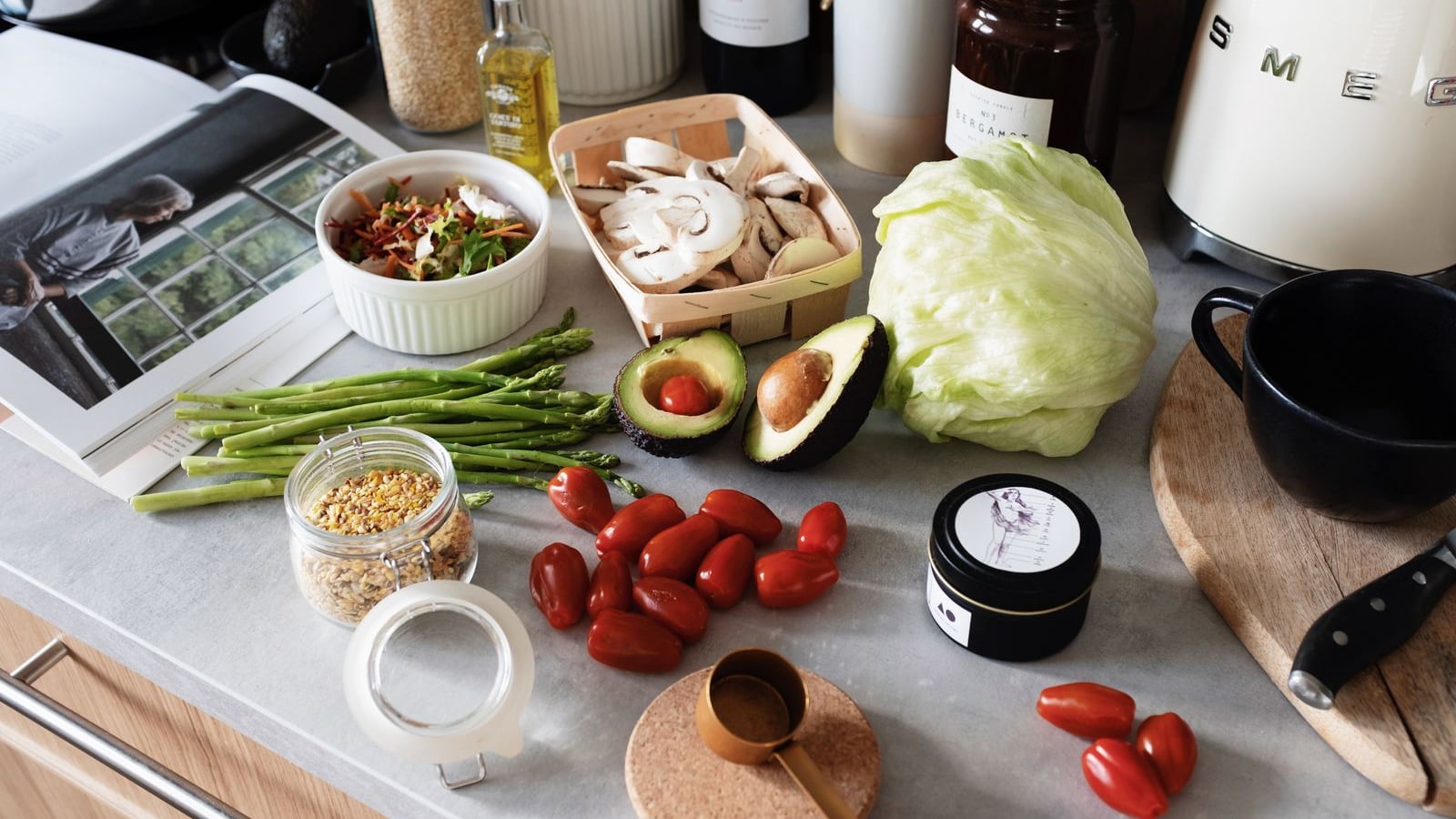
Perhaps that is why Ayurveda continues to resonate with me so deeply. It has always encouraged us to eat food that is seasonal, fresh and suited to the place where we live. It doesn't ask us to search the world for ingredients. Instead, it gently reminds us to notice what nature is already providing around us.
That philosophy has gradually influenced the way I shop for food as well.
Instead of asking myself which ingredient is trending this month, I find myself asking much simpler questions. What fruits are in season? Which vegetables are fresh today? How can I make this meal more balanced? Is there enough protein? Is there enough fibre? These questions have helped me far more than trying to keep up with every new wellness trend.
There is also something deeply comforting about trusting the food we have grown up with. Every family has recipes that carry memories along with nourishment. The aroma of freshly cooked dal, homemade khichdi when we were unwell, our mother's vegetable curry or a bowl of curd with lunch are not just meals. They are a part of our everyday life, and I don't think healthy eating should ask us to leave those memories behind in order to become healthier.
Perhaps that is why my kitchen looks very different from what people sometimes expect from a nutrition coach.
It is not filled with expensive powders, imported grains or products with impressive marketing.
It is filled with food.
Real food.
The kind that has quietly nourished families for generations.
The older I get, the more I appreciate that simplicity. I have realised that the healthiest kitchen is not necessarily the one with the longest shopping list. It is the one where everyday meals are prepared with care, where seasonal ingredients are respected and where food is seen as nourishment rather than a constant experiment.
The more I learn about health, the more convinced I become that we don't always need to search further for better answers. Sometimes they have been sitting quietly on our kitchen shelves all along, waiting for us to trust them again.
Leave a Reply
your email address will not be published. Required fields are marked*
2 Responses
Abhishek Pandey
says:02/02/2026 at 2:16 amThank you so much for clearing my doubts about strengthening. I always had an ambitions to work on my muscles. The above blog cleared all my doubts. I regularly walked my 10k steps complimenting with Yoga from habuld. I was under the impression this is all more sufficient for my fitness goals. But now I will start small with strengthening too. Thank you Habuild team.
Vanya Pandey
says:02/02/2026 at 2:16 amThank you so much for clearing my doubts about strengthening. I always had an ambitions to work on my muscles. The above blog cleared all my doubts. I regularly walked my 10k steps complimenting with Yoga from habuld. I was under the impression this is all more sufficient for my fitness goals. But now I will start small with strengthening too. Thank you Habuild team.