


Healthy Eating Doesn't Mean Giving Up Indian Food
If there is one thing I have noticed over the years, it is that the moment someone decides to eat healthy, their kitchen begins to change in rather unusual ways. Suddenly rotis are replaced with wraps, homemade dal is considered too ordinary, rice becomes something to be feared and meals that have been part of our homes for generations are quietly pushed aside because they no longer fit the latest definition of healthy eating.
I have often wondered how we reached a point where we began trusting food that had travelled thousands of kilometres more than the food our mothers and grandmothers had been cooking for decades.
Perhaps it happened gradually.
Every few months a new diet became popular. One year carbohydrates were the problem. The next year fats became the villain. Then someone declared that gluten should be avoided, while someone else insisted that every meal needed to look a certain way to qualify as healthy. As these ideas became more common, many of us slowly started believing that eating healthy meant moving further away from the food we had grown up eating.
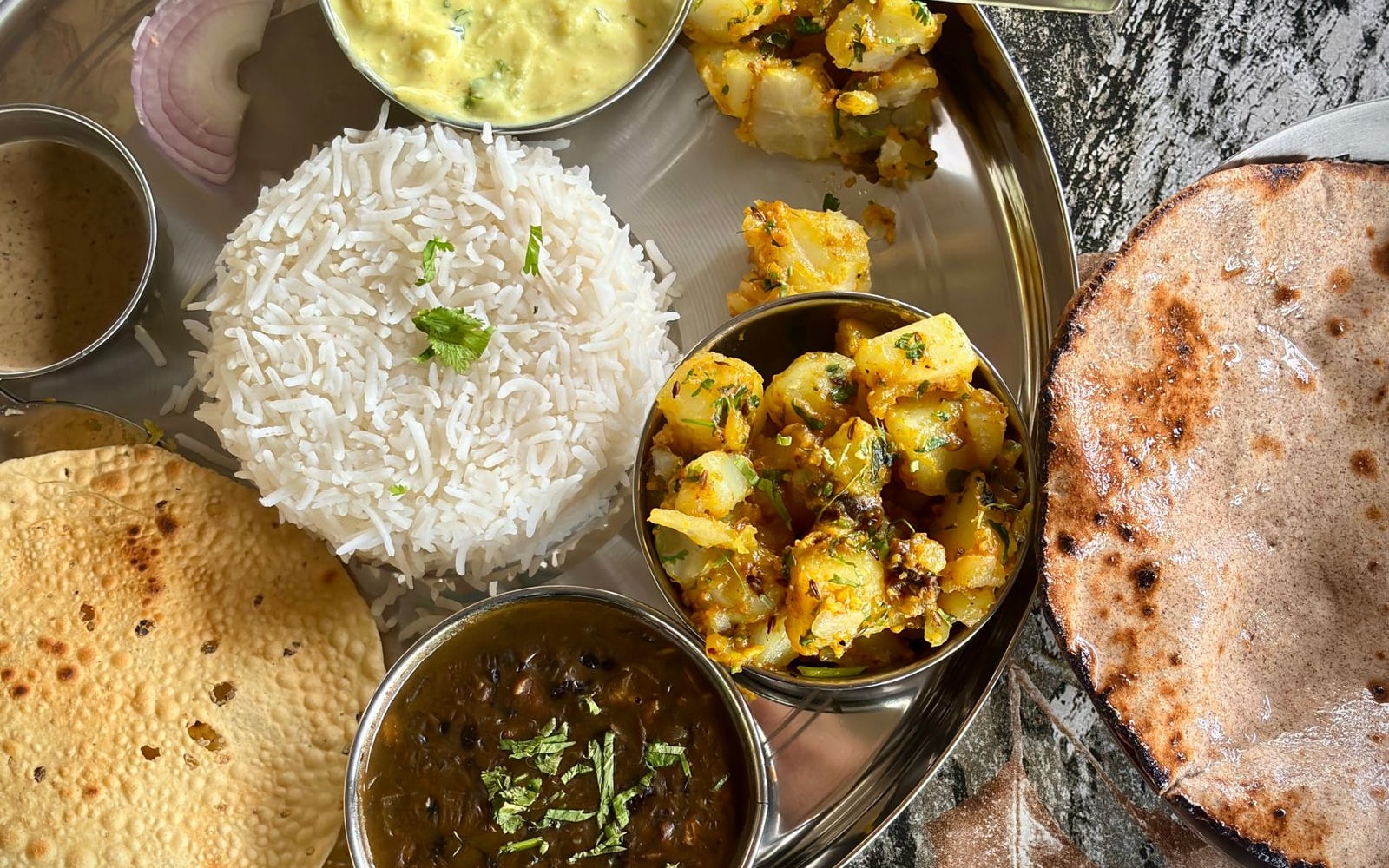
The interesting part is that our traditional Indian meals were never designed around trends. They were shaped over generations, influenced by the climate we lived in, the crops that grew around us and the understanding that food should nourish the body while fitting naturally into everyday life. A simple meal of dal, roti, sabzi, curd and a seasonal salad may not look particularly exciting on social media, but if we stop looking at it through the lens of modern diet culture, it is actually a beautifully balanced meal.
That doesn't mean every traditional recipe is automatically healthy or that every modern food is unhealthy. I don't think nutrition is ever that black and white. What I do believe is that somewhere along the way, we stopped appreciating the value of simplicity. We became so busy searching for the next superfood that we overlooked the nourishment already present in our own kitchens.
The more I learnt about nutrition, the more I found myself returning to the food I had grown up eating. Instead of replacing everything with unfamiliar ingredients, I started looking at ways of making my everyday meals more balanced. If I wanted more protein, I didn't feel the need to order expensive imported products. I could add paneer, curd, sprouts, dal or chana to my meals. If I wanted more fibre, seasonal vegetables, fruits and whole grains were already available in abundance. The solutions were often much simpler than I had imagined.
I also realised that many of the fears we develop around Indian food have very little to do with the food itself and much more to do with the way we think about it.
Take rice, for example.
I meet so many women who proudly tell me that they haven't eaten rice for years because they are trying to lose weight. Whenever I ask them why, the answer is almost always the same. They have heard that rice causes weight gain. Very rarely has anyone stopped to ask whether it is the rice itself or the overall quality of our diet and lifestyle that deserves more attention.
The same conversation happens around rotis, potatoes, bananas and even mangoes. Foods that have been a natural part of our diet for generations suddenly become something we fear because they have been labelled as "fattening." I sometimes feel that we have become so busy dividing food into good and bad that we have forgotten to look at the bigger picture.
Healthy eating is rarely about one ingredient.
It is about the way our meals come together over time.
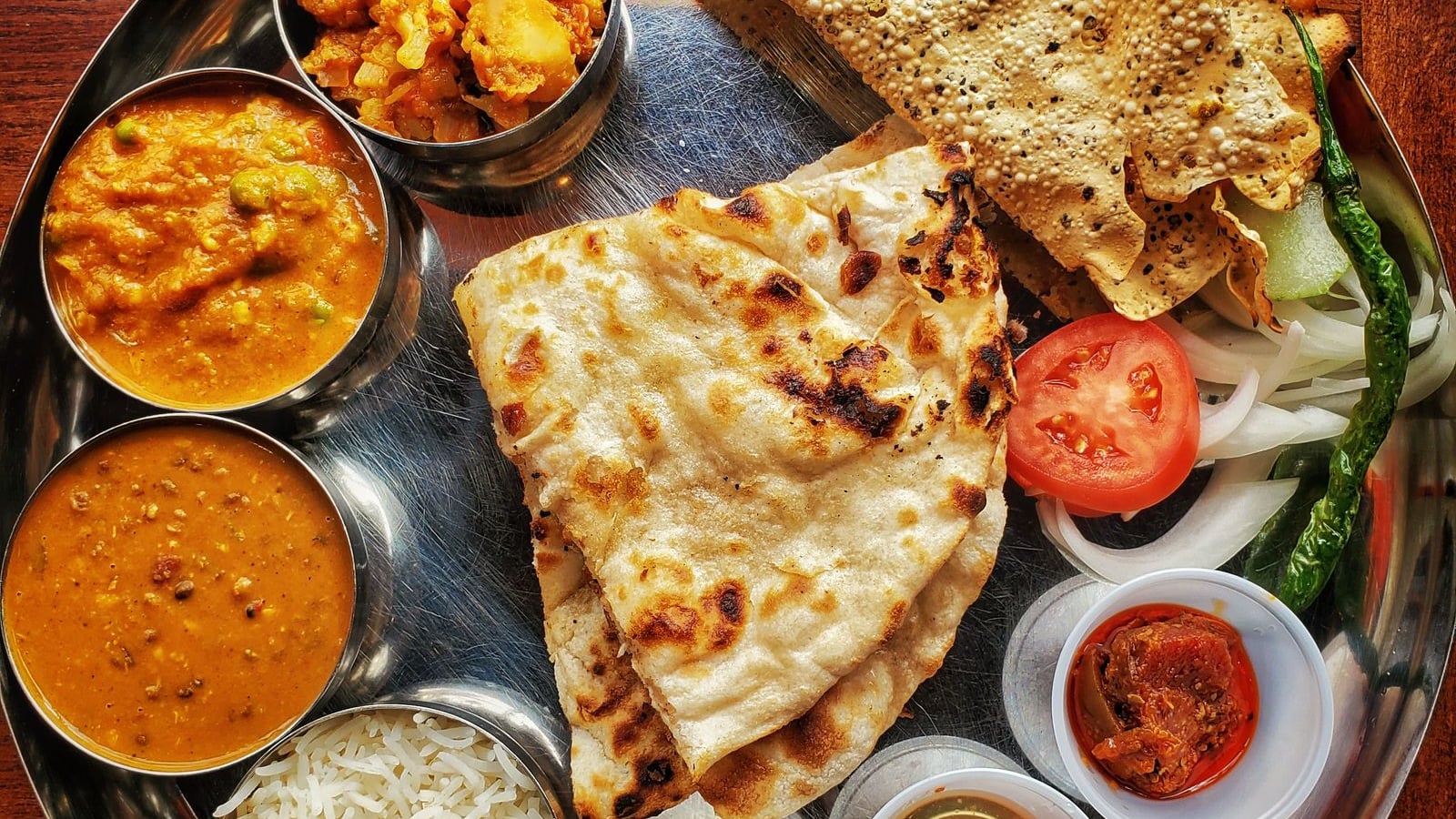
A balanced Indian meal can provide carbohydrates for energy, protein to support our muscles, healthy fats, fibre, vitamins and minerals, all on one plate. What matters is not whether we eat rice or roti, but whether the meal as a whole is balanced, whether the portions are appropriate for our needs and whether these habits are sustainable enough to become part of everyday life.
This is one of the reasons I have never believed in eliminating entire food groups unless there is a genuine medical reason to do so. The moment we start making long lists of foods we are never allowed to eat, healthy eating begins to feel like a punishment. That usually works for a few weeks, but very few people can continue living like that for years.
I have always believed that the best way of eating is the one you can happily follow without constantly feeling deprived.
For me, that has meant keeping my meals simple.
I enjoy homemade food.
I include plenty of vegetables.
I pay attention to protein.
I eat seasonal fruits.
I don't fear rice or rotis.
I enjoy sweets during festivals and family celebrations without carrying guilt into the next day.
None of these habits feel restrictive because they fit naturally into my life. I don't have to prepare separate meals for myself or constantly explain my food choices whenever I visit someone's home. Healthy eating has become a part of my lifestyle rather than a project that needs to be managed every day.
The older I get, the more I appreciate this simplicity.
Life already asks us to make countless decisions every single day. I don't want every meal to become another source of stress. I want food to nourish me, bring my family together around the dining table and give me enough energy to do the things that matter to me. If my everyday meals can do that while also supporting my health, I honestly don't think they need to be any more complicated.
Perhaps that is why I have slowly stopped looking for the perfect diet and started trusting the wisdom that has quietly existed in our kitchens for generations. It isn't about eating exactly the way our grandparents did because our lives are different today. It is about recognising that many of the principles they lived by—freshly cooked meals, seasonal ingredients, eating at regular times and sharing food with family—still make a great deal of sense.
The more I learn about nutrition, the more convinced I become that healthy eating doesn't have to take us away from our roots. In many ways, it gently brings us back to them. Sometimes the healthiest meal isn't the one with the most exotic ingredients or the most impressive presentation. Sometimes it is simply the dal, sabzi and roti waiting for us in our own kitchen, prepared with care and eaten with gratitude.
Leave a Reply
your email address will not be published. Required fields are marked*
2 Responses
Abhishek Pandey
says:02/02/2026 at 2:16 amThank you so much for clearing my doubts about strengthening. I always had an ambitions to work on my muscles. The above blog cleared all my doubts. I regularly walked my 10k steps complimenting with Yoga from habuld. I was under the impression this is all more sufficient for my fitness goals. But now I will start small with strengthening too. Thank you Habuild team.
Vanya Pandey
says:02/02/2026 at 2:16 amThank you so much for clearing my doubts about strengthening. I always had an ambitions to work on my muscles. The above blog cleared all my doubts. I regularly walked my 10k steps complimenting with Yoga from habuld. I was under the impression this is all more sufficient for my fitness goals. But now I will start small with strengthening too. Thank you Habuild team.